Up Risen
A downloadable Up Risen for Windows and macOS
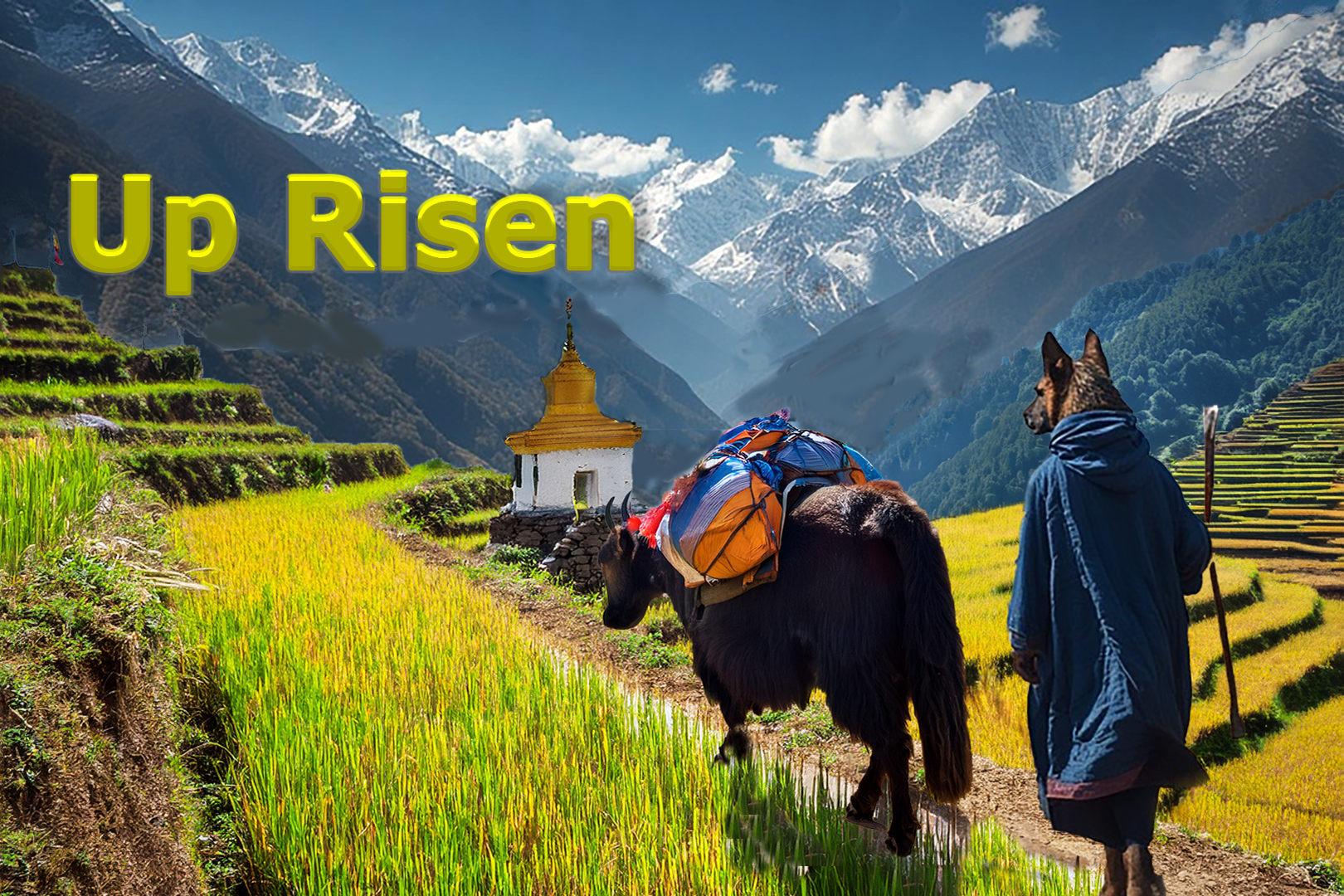
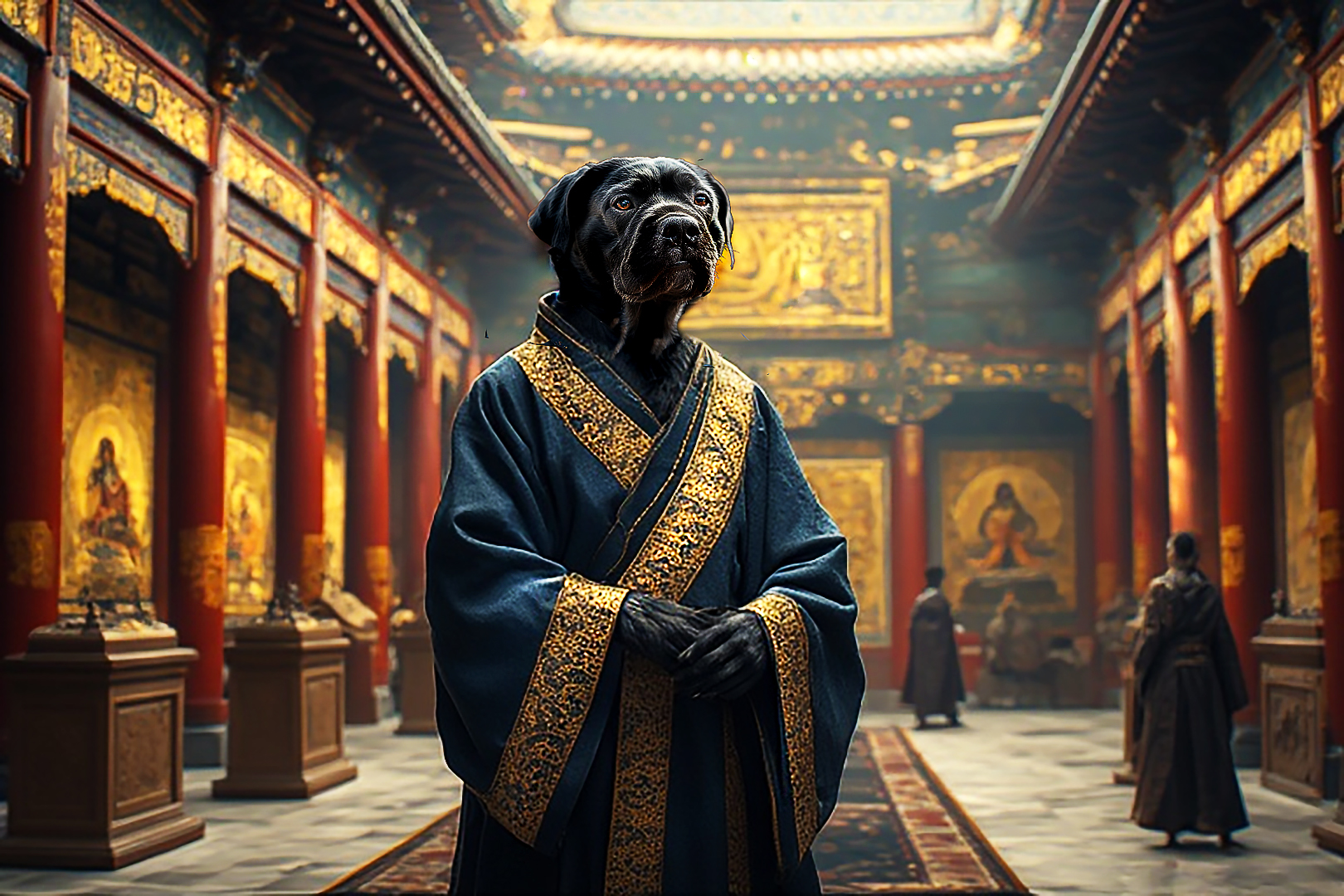
This is the fourth in the series from sent to you from the canine world. I am Tompf, XIV Earl of Maine. I am assisted by the world-spanning AI Tempoview. Previous versions of the series have traced the rise of Thrix to wealth and position, Upsurge The second, Up Top, traces the equal advancement of his once-enemy, the former pirate Top, to a Marquessate, lands and a castle in Navarre. Top was responsible for the destabilisation of the balance between the Atlantic super-powers and the eventual victory of the Imperium. Next in the series, Up There follows Thrix and company’s journey to the Pacific. This brought back the secret of steel, leading to the steam revolution and the social and political upheaval which followed. Due to his inventions and deft handling of a pollical crisis, Thrix acquired both a dukedom and the friendship of the Emperor.
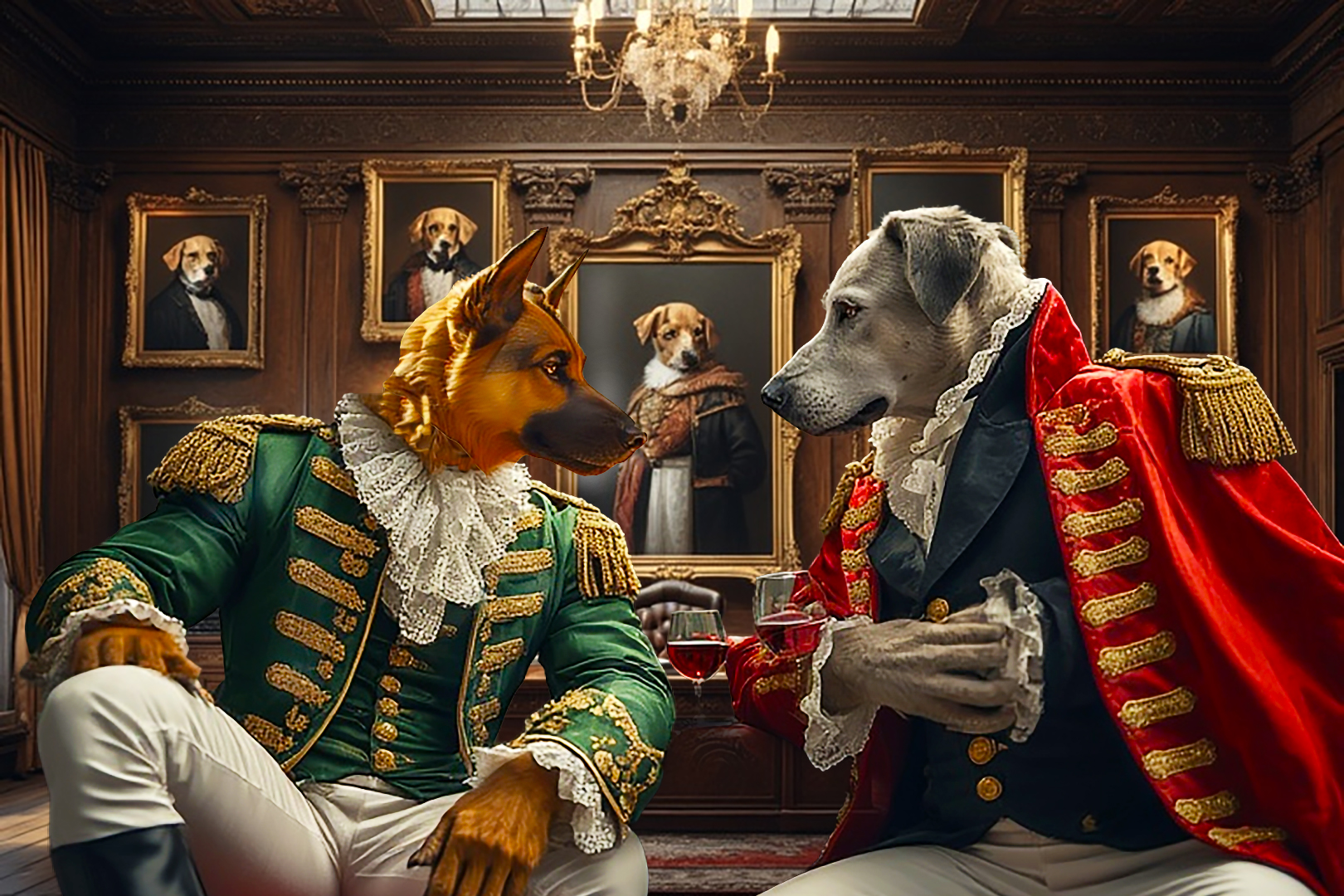
Thrix and the Emperor discuss the world
Up Risen, the last in the series, finds the Imperium suffering from growing pains, It has superficially modernised but is doing so on epochs-old social institutions that are leading to social breakdown.
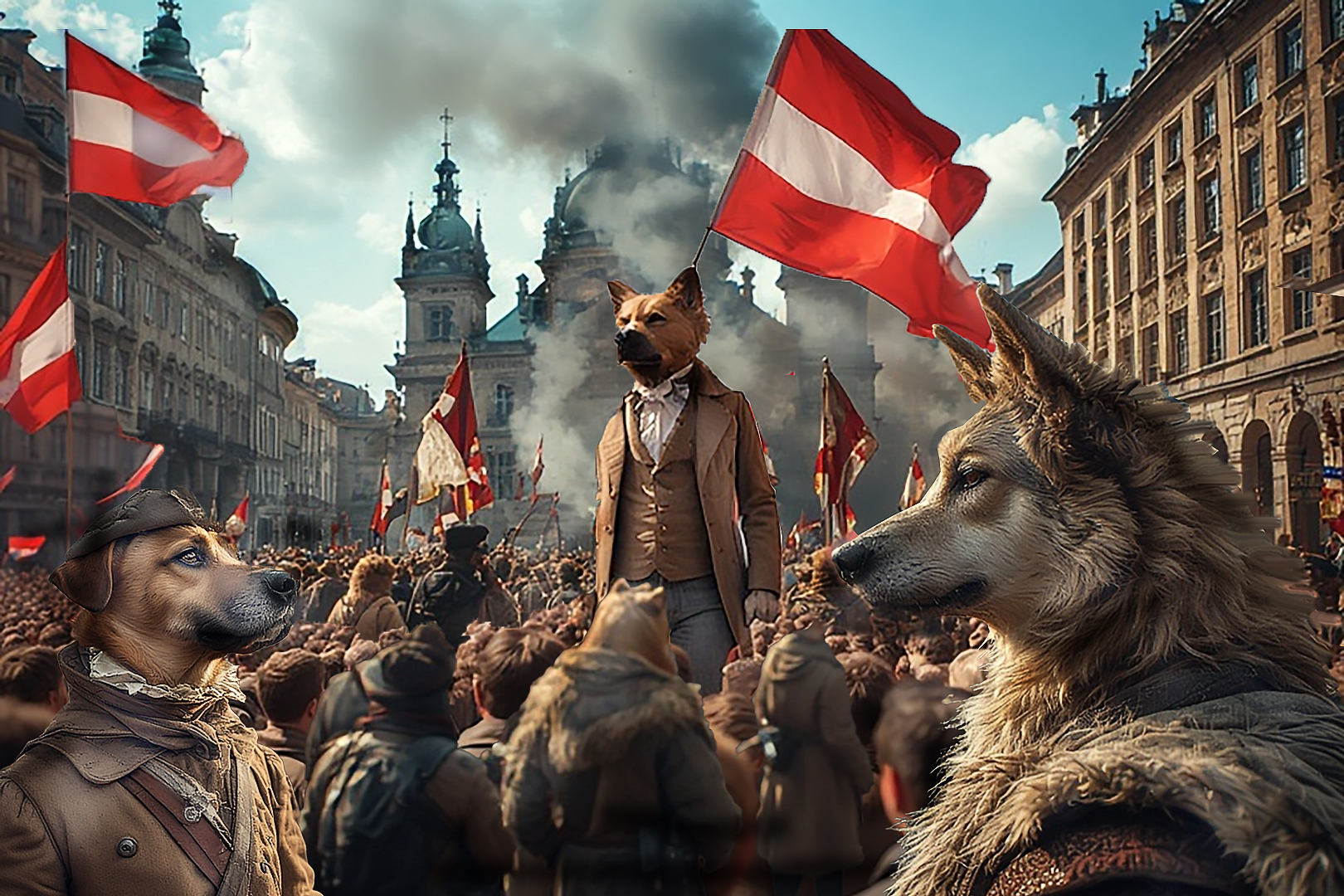
A general strike paralyses Germany
The Emperor, realising that something radical must be done, calls in Thrix as his favoured advisor. Their discussion is inconclusive, agreeing that something needs to be done, but with no idea as to what that is.
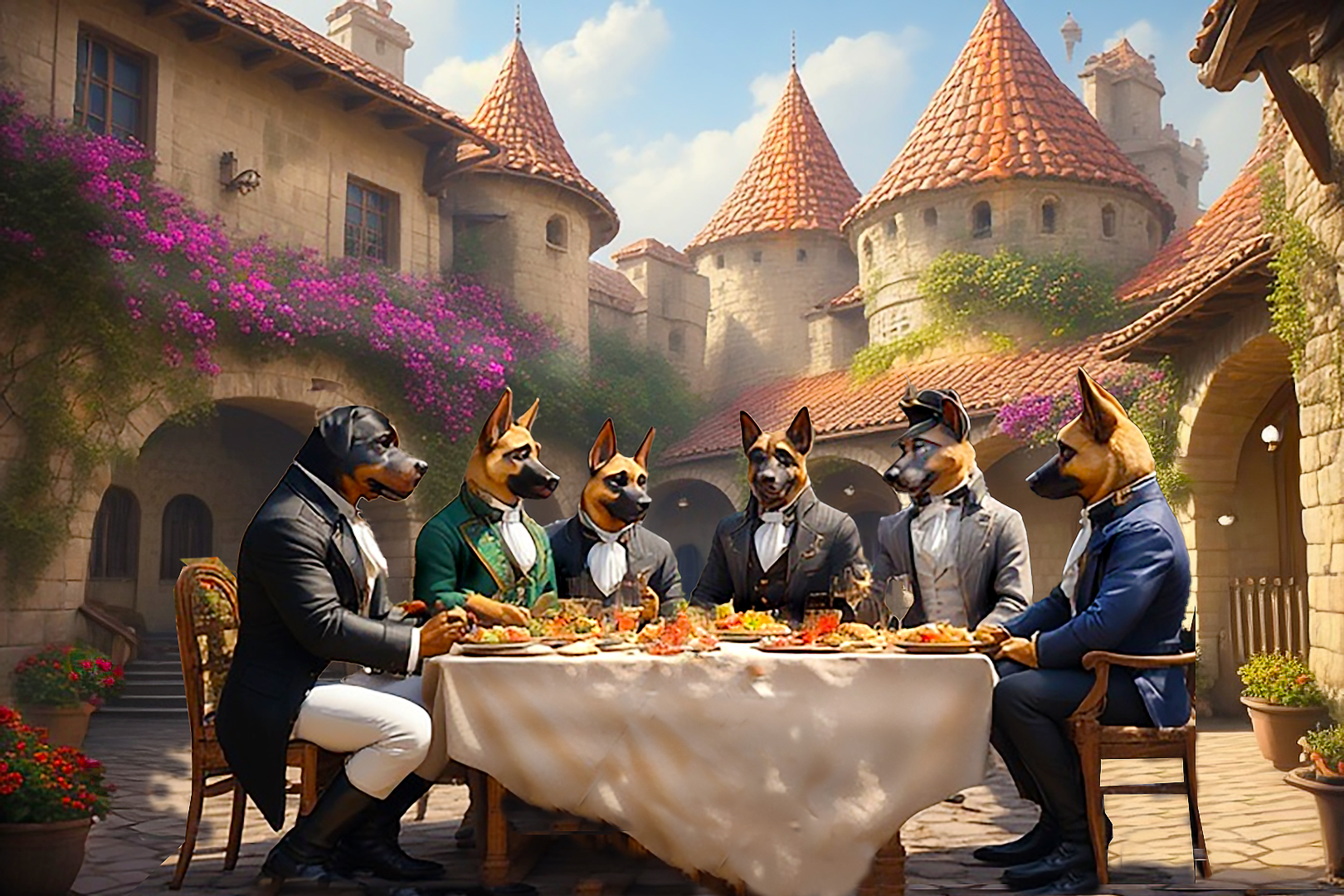
Lunch and discussion in Top's castle in Navarre
Thrix is about to visit Top, with whom he shares both history and a fascination with parrots. Top has a “systems” view of the world - although neither would phrase it like that – and Thrix suggests to the Emperor that he should take his opinion. The Emperor agrees, and they part. In Top’s castle, Thrix and his husband Jax arrive to meet Top, Posphur, Agroh and Ferrah, characters who we have already met in the previous series. Thrix discusses the problem and nobody has much to say. They break up, but a seed has been sown.

Ferrah painting in the heat of the Indan ocean
Ferrah is a major artist and has a series of exhibition in London, where a wash of celebrity makes his life oppressive. It leads to a breakdown with Agroh, who cannot stand the constant attention. Fearing for his marriage, Ferrah agrees to a proposal that he should paint he portrait of the Mughal Emperor of India. They set out for India on a frigate loaned by Thrix, who has business in India that he wants overseen, Jax come on the voyage with them. It goes without incident and they arrived, schooled in the local language and longing for dry land.
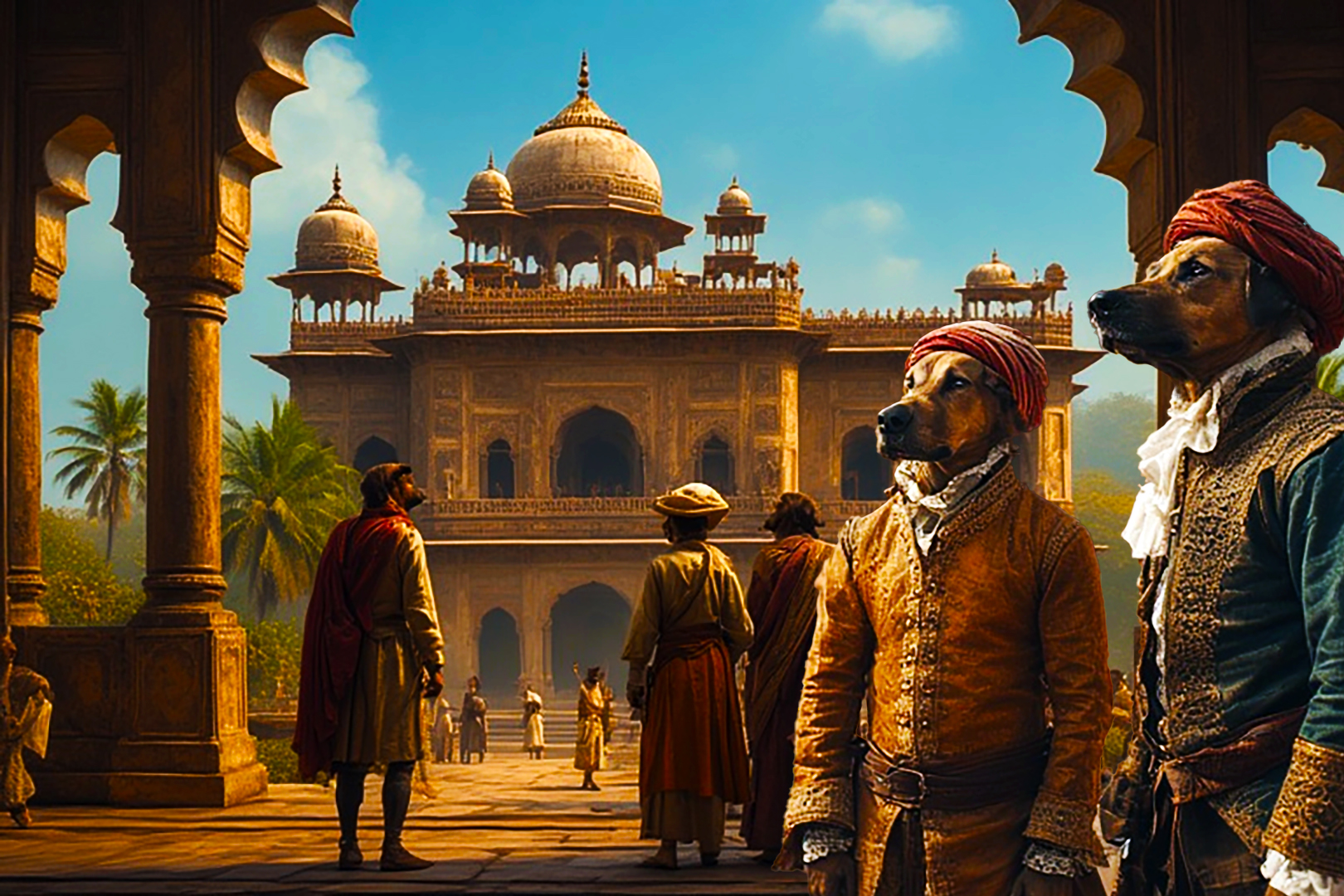
Arrival in Agra, awe inspiring architecture.
The are taken to the Mughal palace in Agra, Ferrah paints pictures of the Emperor. This meets approval. Jax, meanwhile, goes off to discuss business with the Zamindar interests. Zamindars are local potentates who control vast areas of land, much industry. They have large militias, The Emperor, new to the throne, resents then and when his exchequer finds that the state is insolvent, he resolves to tax them, to provoke an militarily crush them.
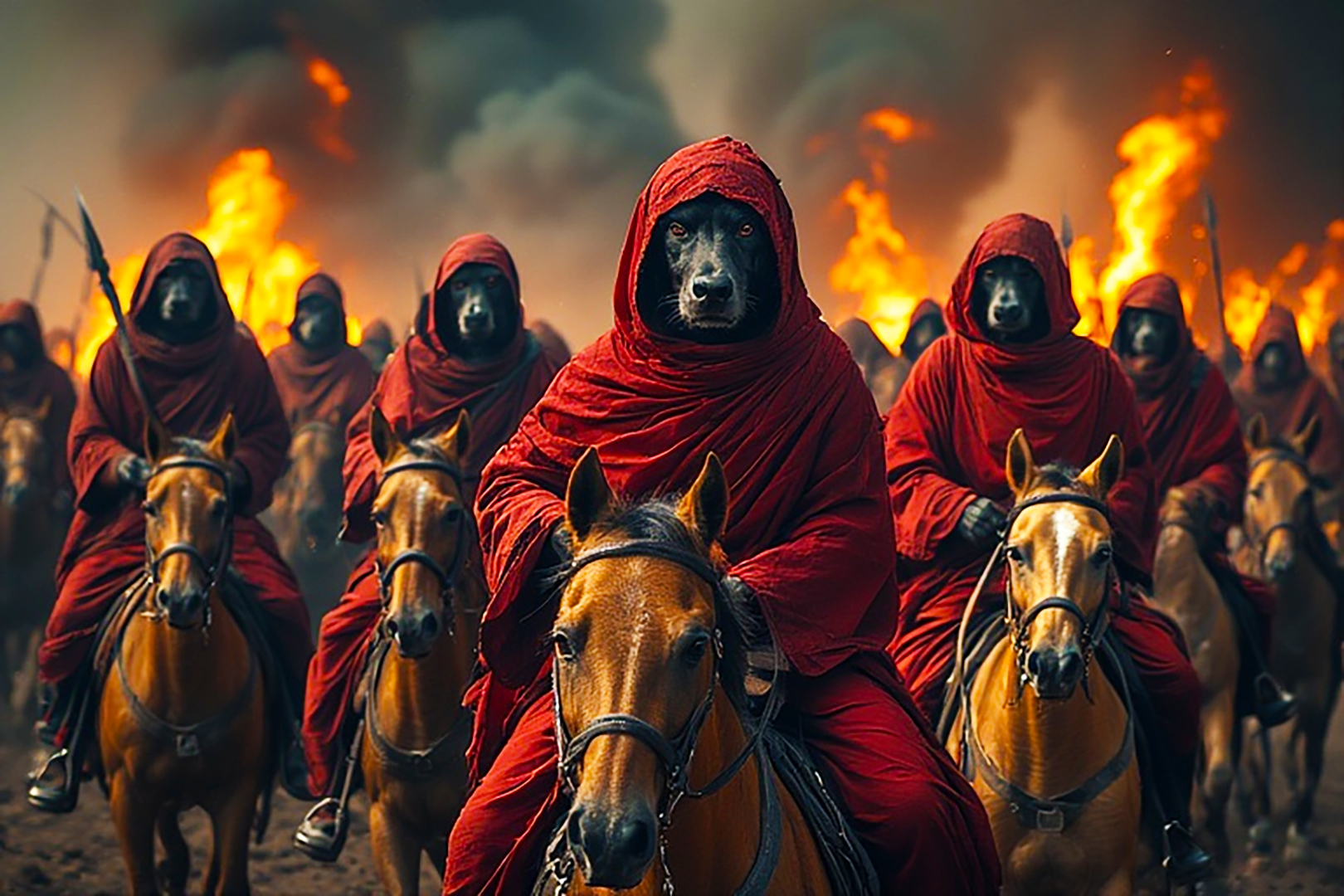
Flight from Agra, disguised as monks
They react badly, raising a revolt in which Thrix’s commercial interests in rail and other infrastructure are implicated. Jax is able to sweep Ferrah and Agroh out of the court before they are arrested for complicity and they flee together into the Himalayas.
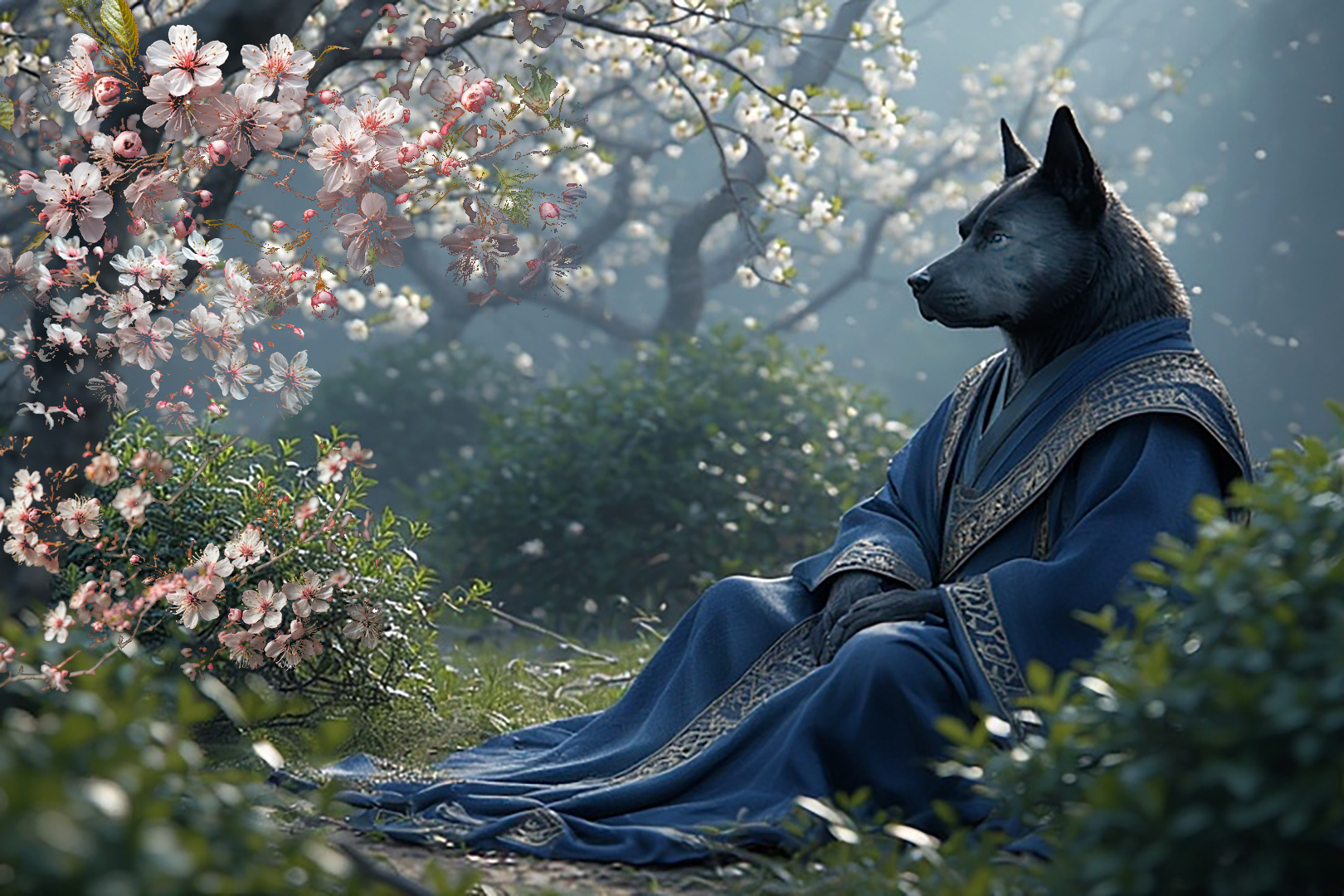
Lama Dorje Shin in the gardens of the White Lotus school
Up Risen has followed the career of a Tibetan Lama, Dorje Shin, who we first find attending a Confucian school in Qing China, He finds this unsatisfactory, but learns a great deal about social contracts and custom-driven ethics. Restless, he moves to India and finds little to like in the ashrams. Gurus parrot the same tangled theology that he learned as a child, and the aviary of gods and aspects seem to point to nothing useful, He began to define what he wants to know, which is how societies are held together and function without an omni-present manager. What distinguishes a functional society from a rotten one? He tries to discuss these themes in the ashrams, but is repulsed. Wandering the bazaars, he encounters a merchant who had been present in some of the ashram meetings.
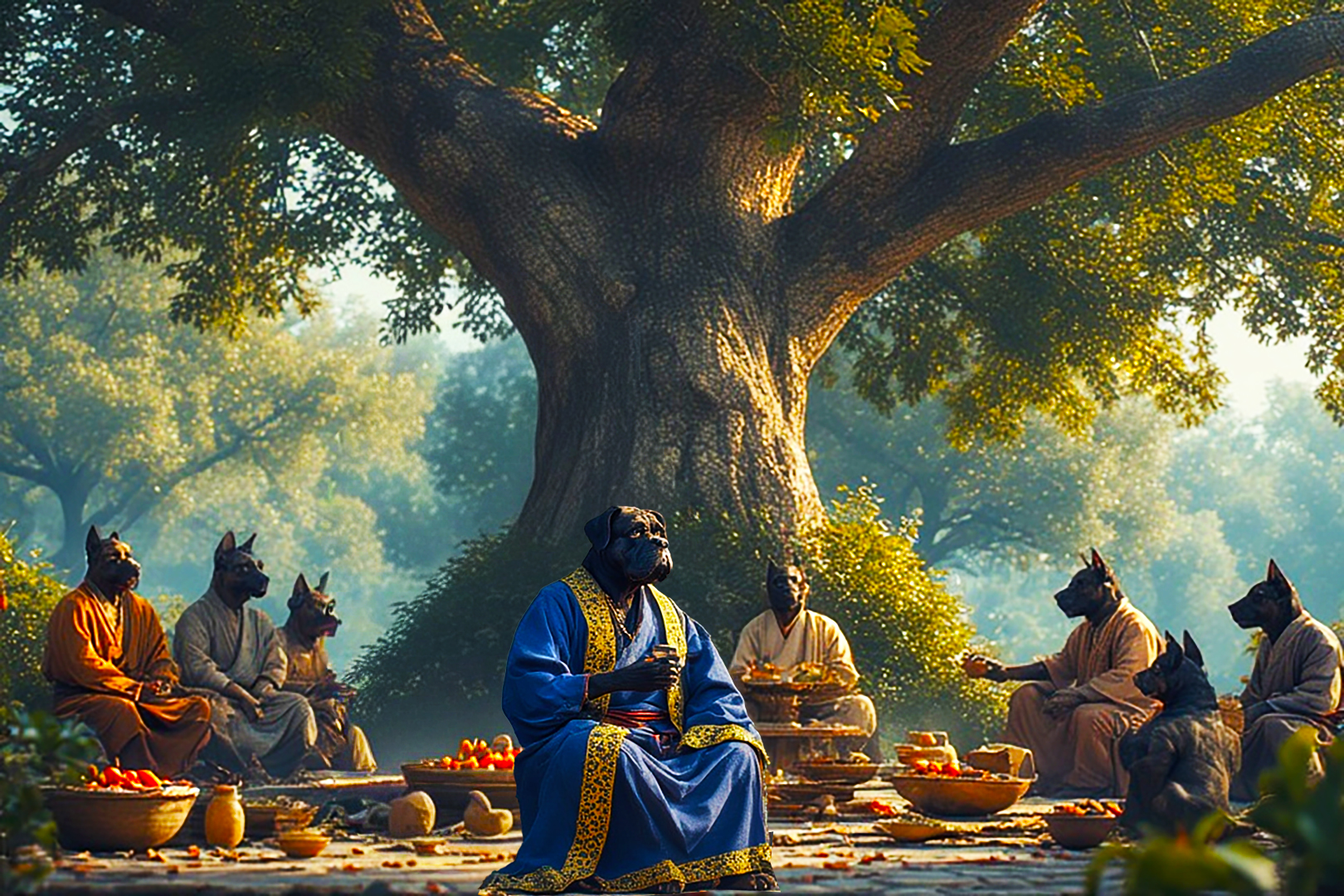
The Lama debates with like minds in India
The merchant introduced him to a group of like-mined people, and they become close; indeed, lovers, The merchant has to travel, and Lama Shin Dorje goes with him. The merchant falls ill and dies, leaving his considerable fortune to the Lama, with a note urging him to spend it in pursuit of his studies.
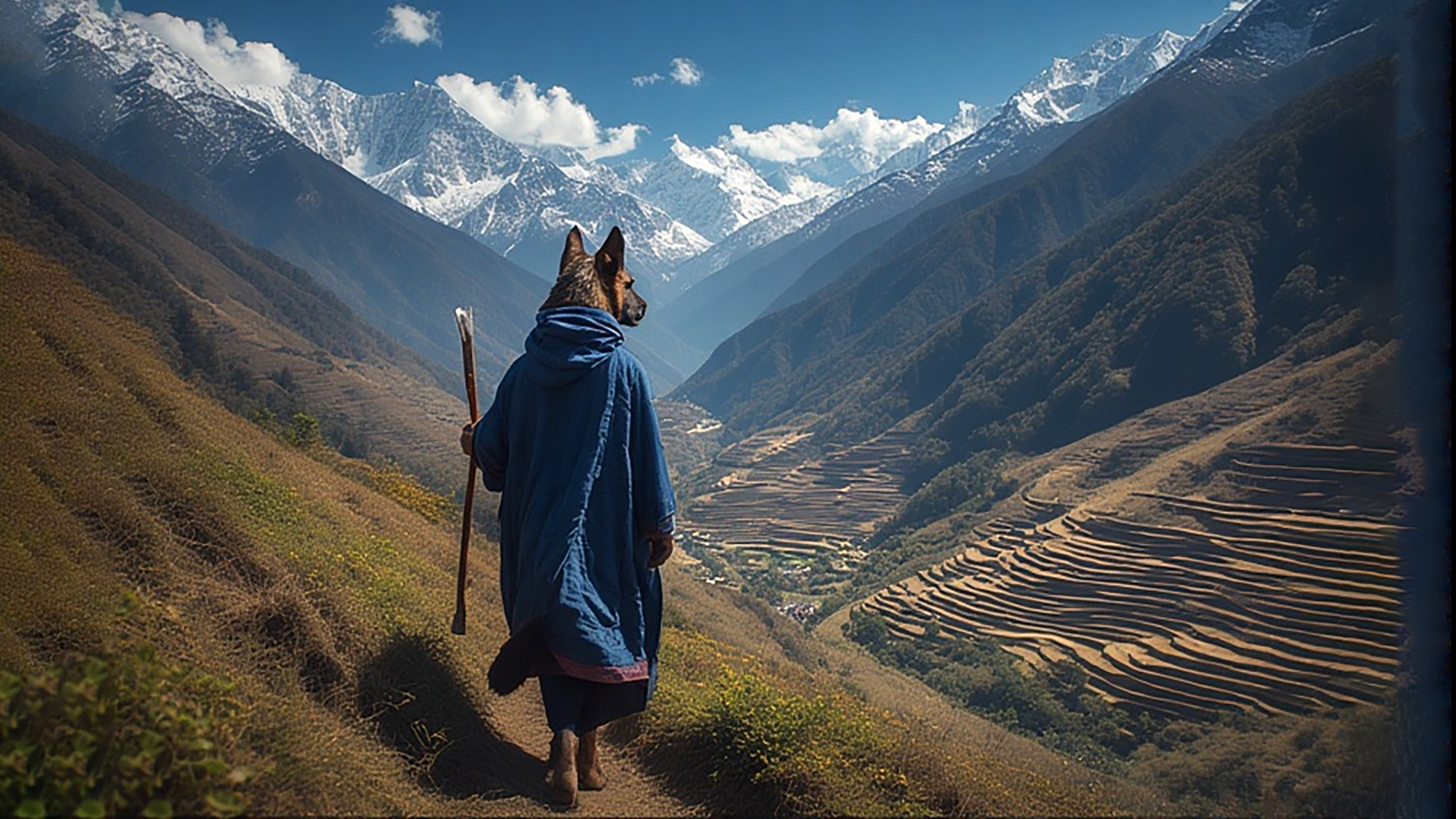
The Lama heads back to Tibet, climbing through what is now Nepal
The Lama is tired of India and heads back to Tibet, His new wealth allows him to build what today we would call a “think tank”, which due to cultural roots looks a great deal like a monastery. He builds a community and they set about discussing the roots of social order,
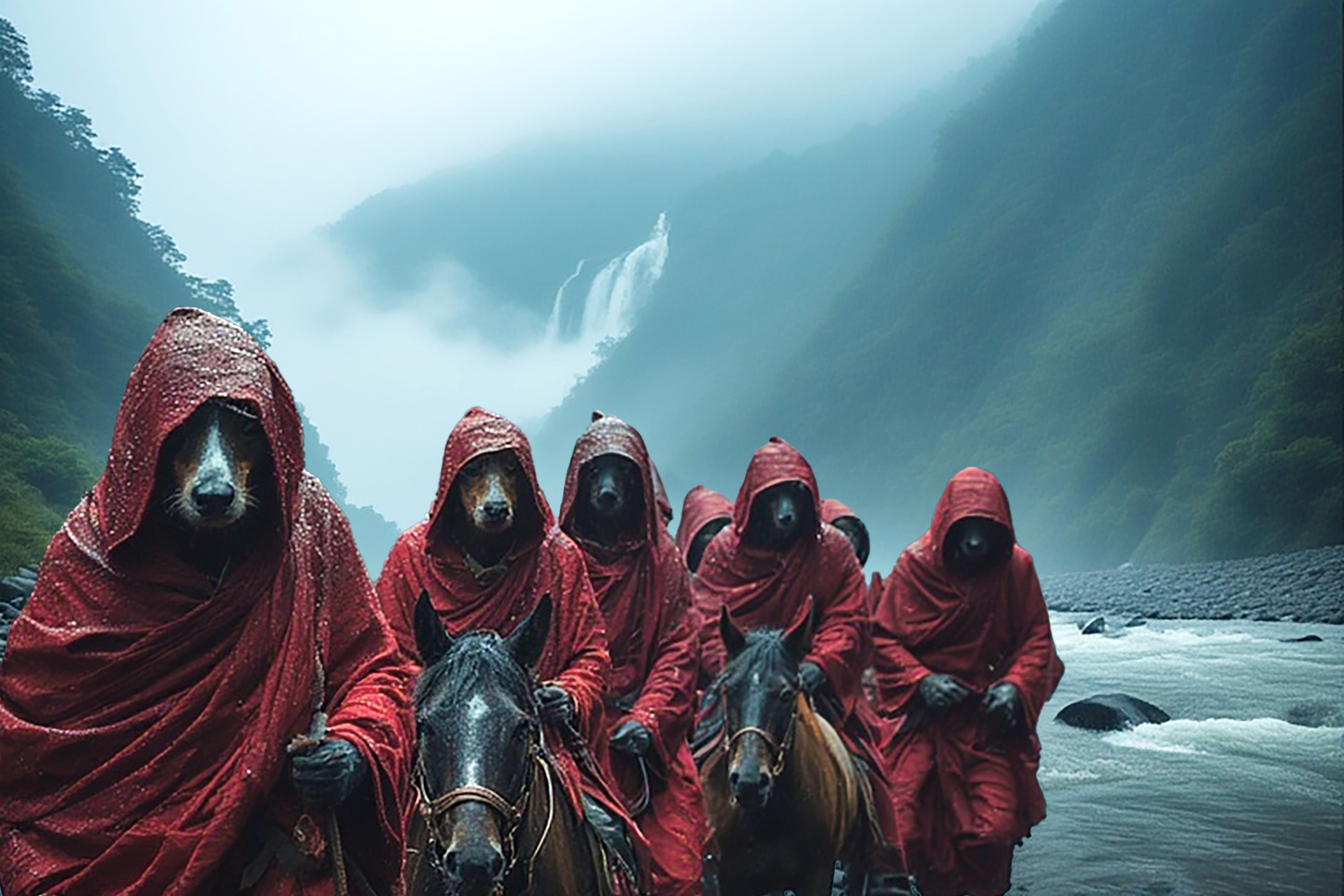
A monsoon journey in the Himalayas: floods and leeches
Our fugitives from the Mughal enter the Himalaya during the monsoon, a wilderness of waterfalls and leeches. They find their way to Gorkha, but are driven out be an incursion of Indian troops. The proceed higher, crossing into Tibet. There they are arrested, and as they are dressed as monks – the only clothes that were available – they are taken to Lama Shin’s monastery.
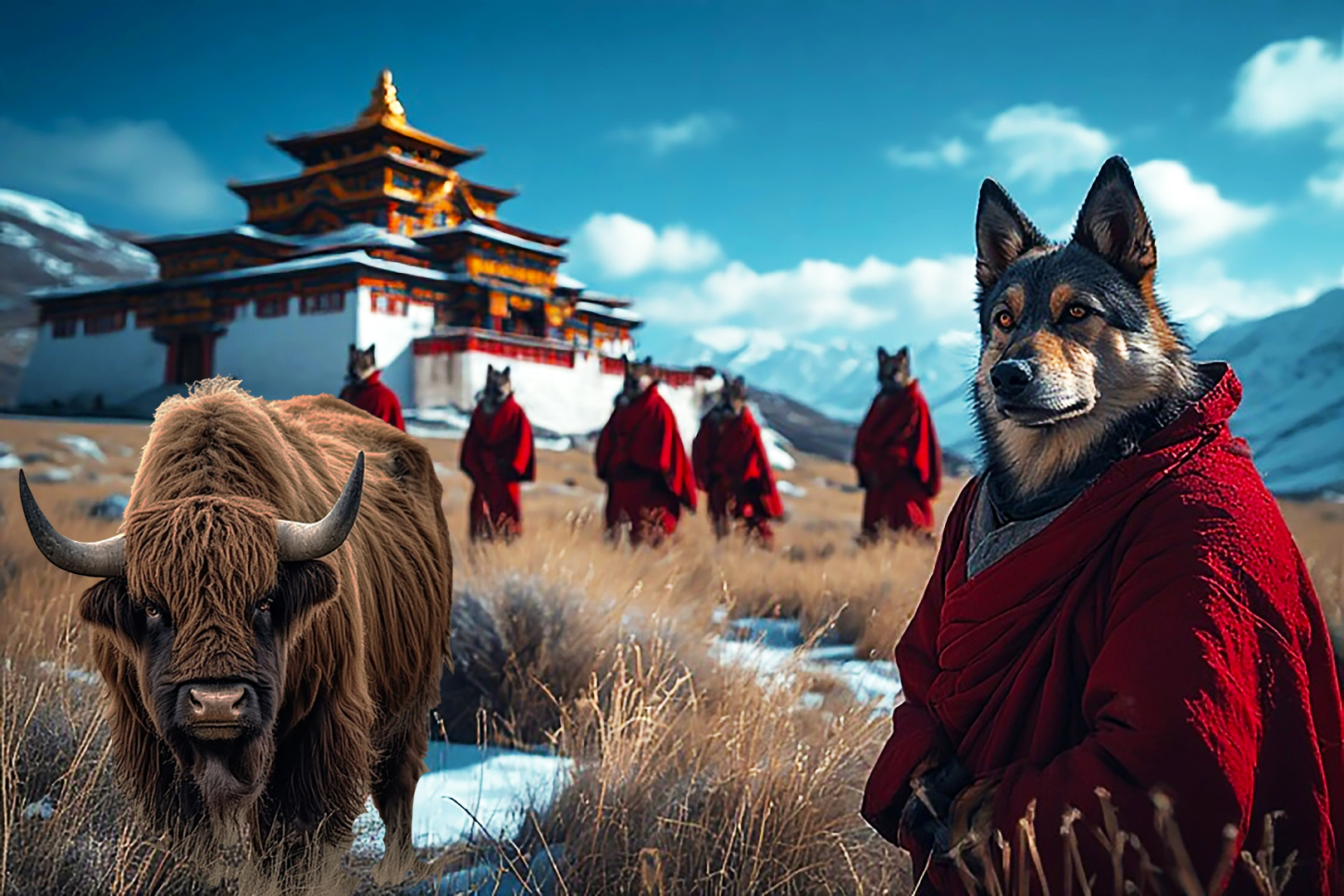
Refugees arrive at teh Lama's monastery in Tibet
They get on together, Agroh as an intellectual, Ferrah as an artist who helps decorate the monastery. The Lama takes Ferrah of long walks and eventually to a site where a flame burns over a spring, releasing hallucinogenic vapours, They have a joint vision, calling them to a sunken city called Dwarka off the coast of India.
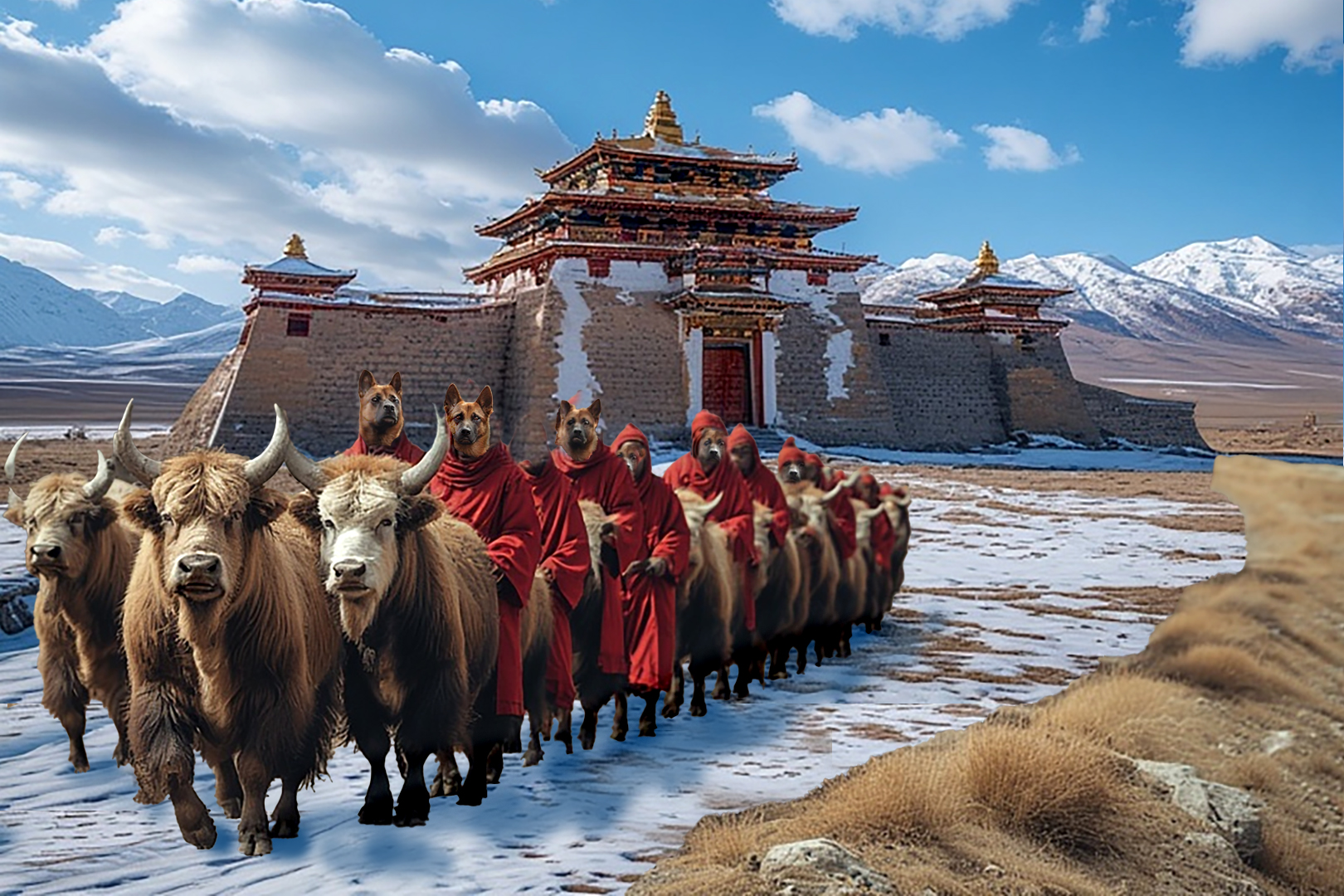
The pilgimage to the Indian coast sets out
Jax springs into action, organising a column of yaks to take them back down to India. The Emperor has been murdered and a rogue monk has started a land reform program that has led to mass starvation, Avoiding Agra and its instability, they spend some time with the remarkable Queen of Indore, who discusses the art of rulership, One needs to harness common sense, she says, There s no absolute right and wrong, no fixed ethics given by Gods, just what works and what keeps a society functioning. Good patterns of rules impose themselves on rivals and so spread themselves, poor ones implode and are wiped out. This resonates with what the Lama learned in China.
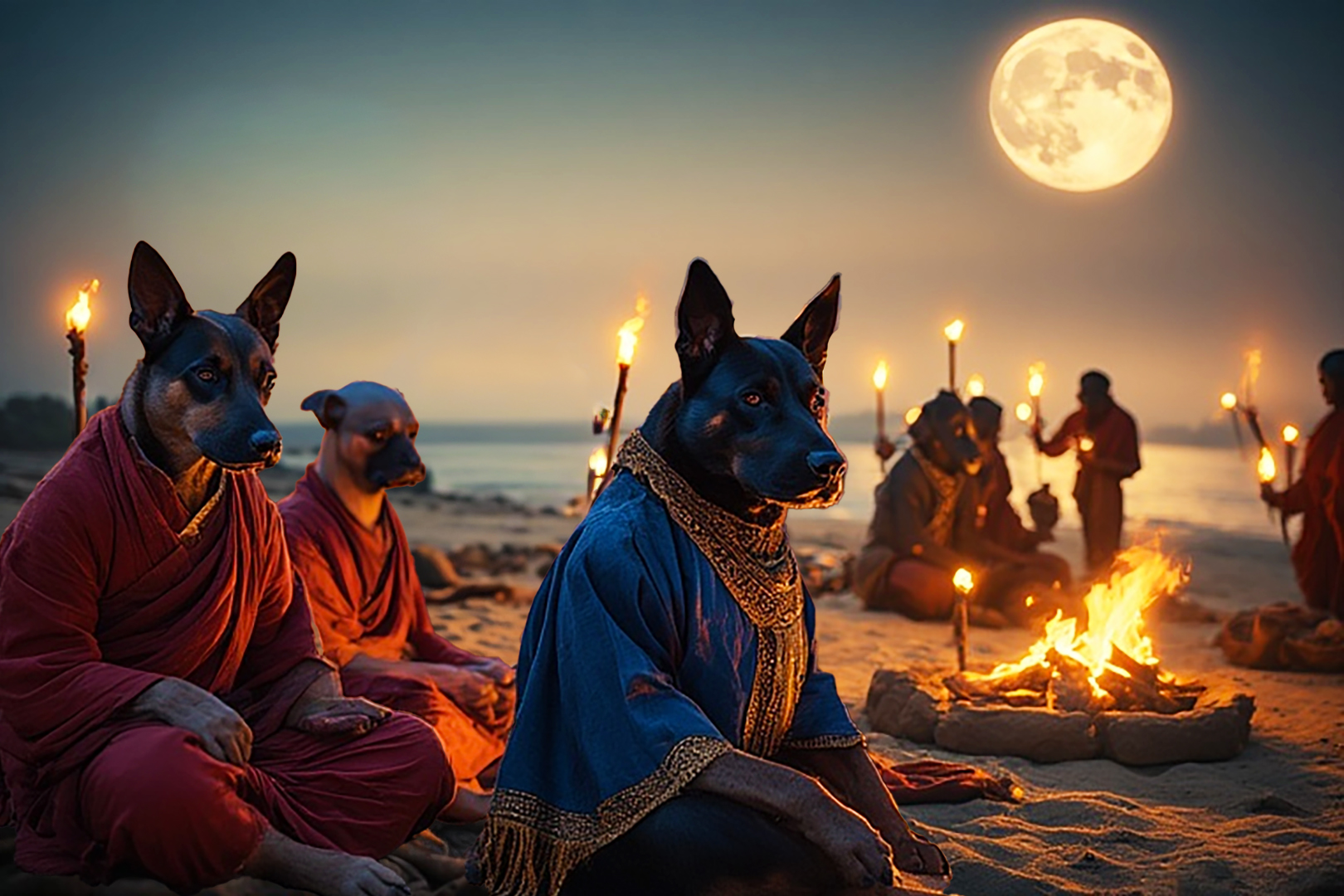
Arrival at the site of sunken Dwarka, awaiting events
They arrive on the coast opposite the sunken city of Dwarka. No revelations present themselves, but suddenly a dozen very small men appear, carrying torches and food. There had been an long-standing prophesy of a “Light from Tibet”, and rumour of their pilgrimage had run before them, They settled down to discussion, The little men suggested that what was needed was a looking glass in which society could see itself reflected, The various threads that had been tangled in the Lama’s mind suddenly came to order.
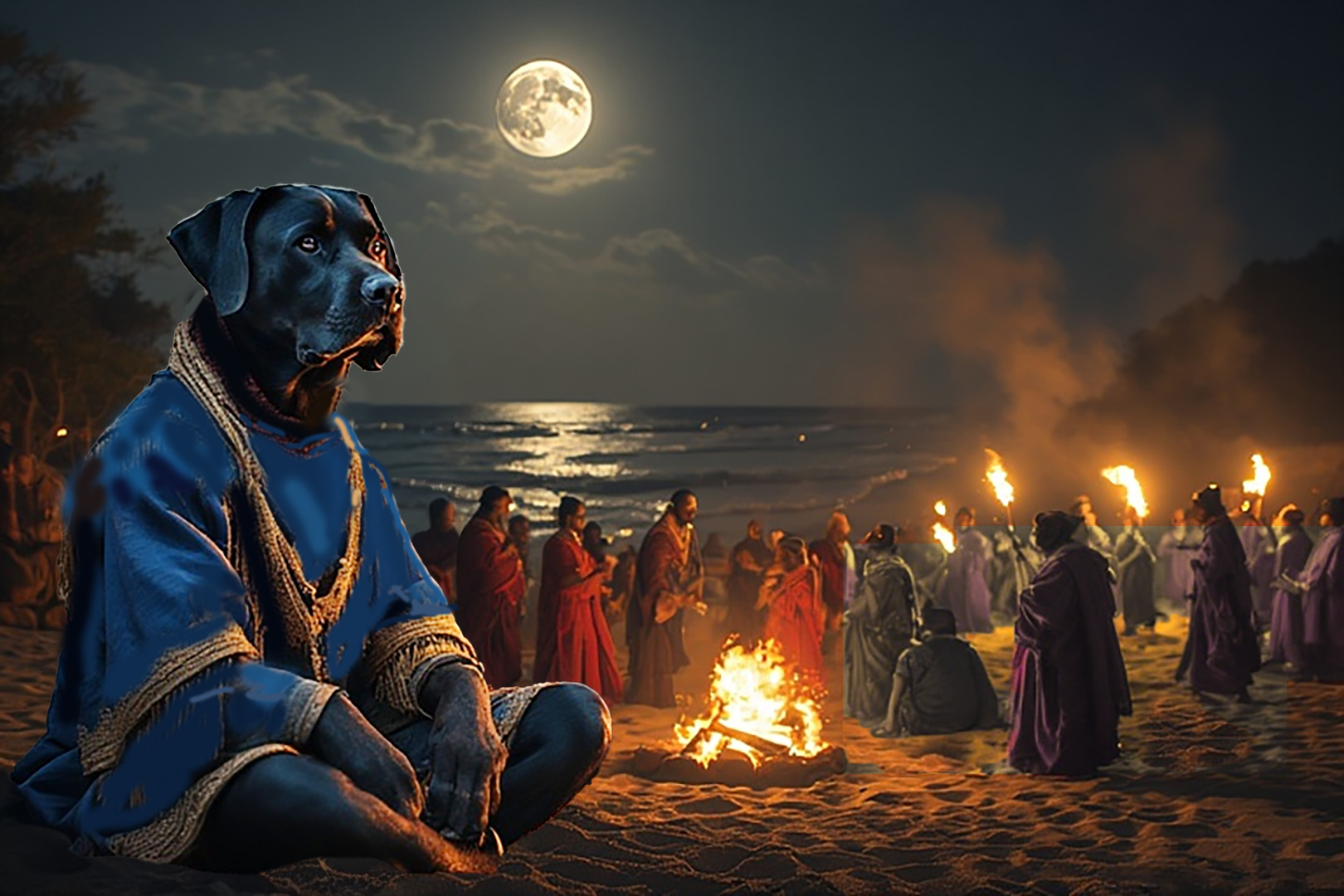
The guardians of Dwarka arrive, with food and a welcome
He started to speak and continued throughout the night and into the dawn of the next day. Agroh recorded what he said. He pronounced the doctrine of Saamanya buddhi, “common sense”, following the Queen of Indore’s notions. A village was a layout of neat fields and houses, but also a pattern of invisible rules, reflexes, myths and habits. It was this structure that separated a successful village from am self-destructive one, It was these rules kept the whole system working without a hand forcing it. Destroy the riles, as the reforming monk had done with his land grab, and the whole thing falls apart.

The parable of the gardener and thre garden
Saamanya buddhi needed to be tended, like a garden. Weeds had to be removed, and weak patches fertilised and watered. But it was a loose structure of habits and beliefs, noy open to orders. Gardening was an art, therefore. Different part of a society – the military, road building, village life, - had different Saamanya buddhi. Those forms needed to be in harmony if the society was to thrive, The Confucian notion of the Junzi – the enlightened ruler – came into play. Such a ruler needed to understand the Saamanya buddhi well, and he had to be the mirror that the little men had suggested.
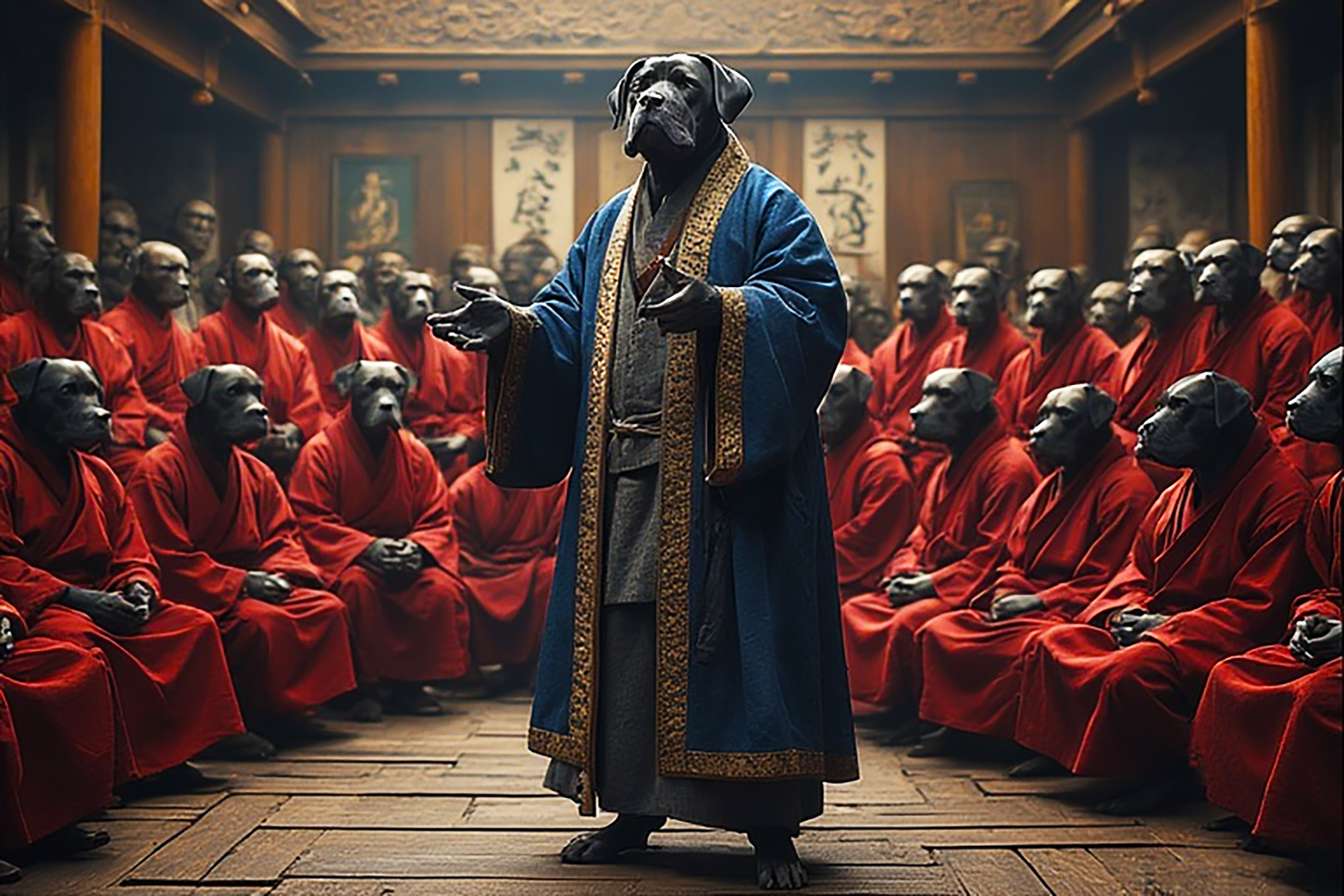
The Lama in his new costal school, lecturing to acolytes
This and much more found its way back to the Queen of Indore, who approved and funded a school for the Lama. This became a major ashram and his views spread throughout Indian, calming the chaos and bringing a way of thinking about harmony that had a huge impact. Over the years, he became the spiritual leader of Inda, despite being entirely secular in his views.
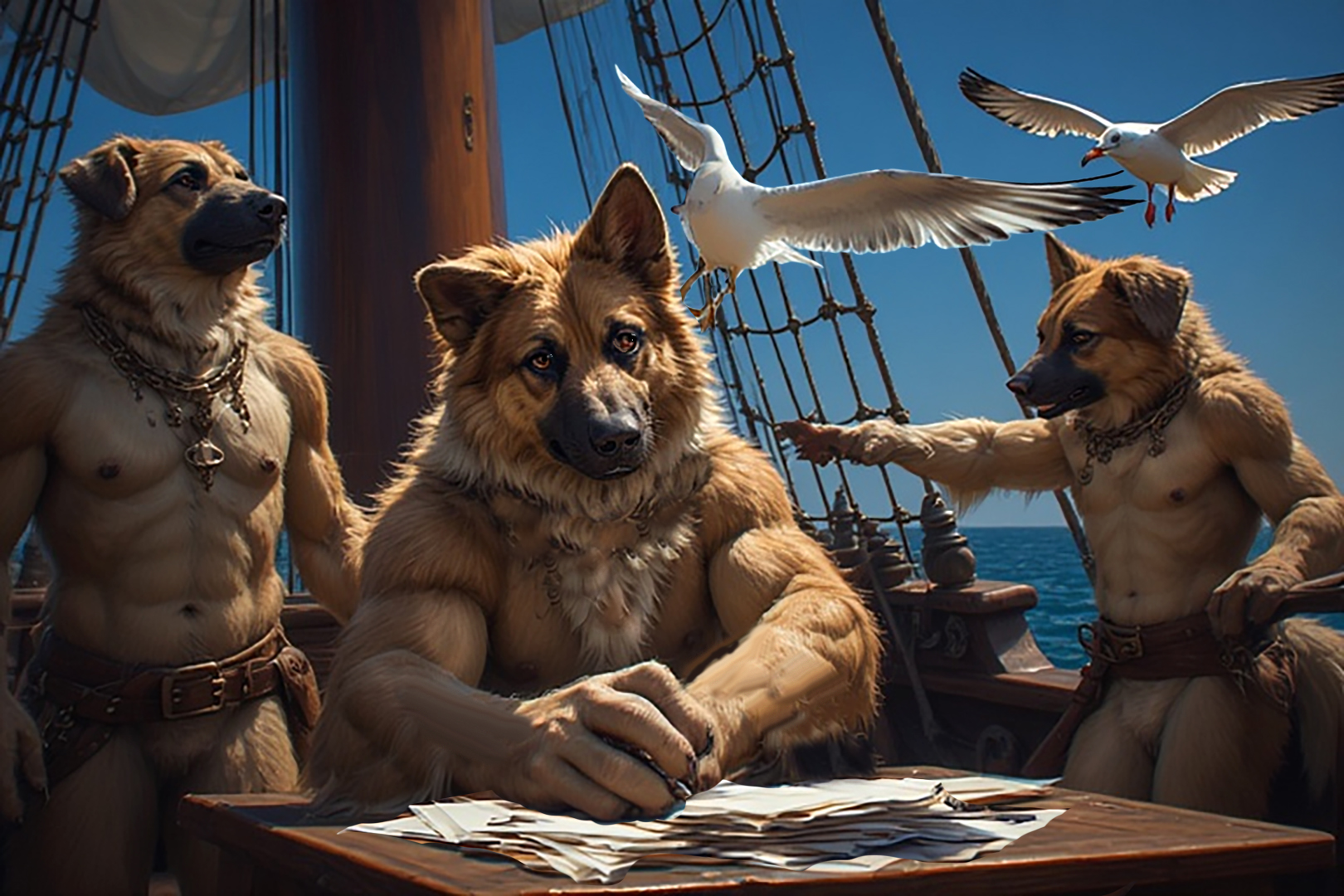
Agroh working on his book, beset by seagulls in the hot Indian ocean
Jax had, meanwhile, brought the ship to the nearby coast and they departed for Europe with a cargo of ideas and the pictures that would take Ferrah’s fame into the sky. Agroh, recalling the briefing that Thrix had given them a year earlier, saw the potential of the Lama’s ideas and set to transcribing his note in a form that would work it he West. This proved a huge task, as he lacked the necessary notions to hang them on. The result was, however, a blueprint that incorporated a number of innovations which he had dreamed up: polling and focus groups, strategic planning and propaganda. What emerged was a handbook for enlightened autocrats. An agency was needed to listen, to understand, to advise the sovereign on options; on approval, to , intervene, to prune away damaging ideas and trends. It should act locally, make many small changes, never act until it fully understoond the thing that it was trying to change.
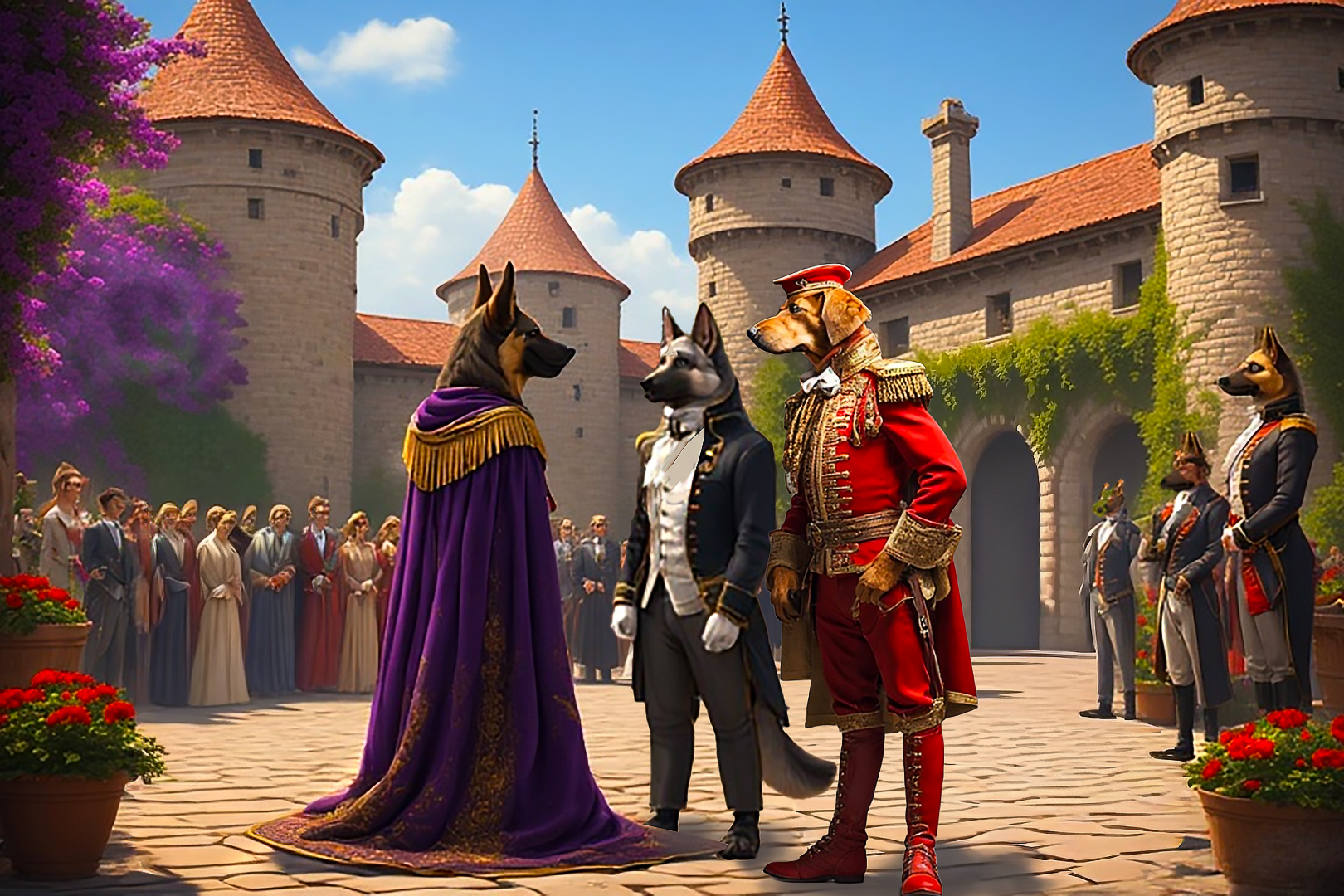
Marquess Agroh and Ferrah are remarried following Top's death
Back in Europe, they found that in their absence, Top had died and that Agroh, his heir, awas now both a rich man and a Marquess. Ferrah’s paintings were dispersed to galleries across Europe, where they sold for huge prices, His fame and celebrity became, once again, oppressive. Agroh’s title triggered a rule, which was that their wedding would have to be confirmed. The decided thay this should occur in Agroh’s new castle. This was the wedding of the year, the castle ringed by sight seers. and Ferrah became Marquess-consort in front of the cream of society. Meanwhile, Agroh’s book was printed and a copy safe-handed to Thrix by Jax. Thrix read it and saw the potential, calling upon the Emperor to take him through it.
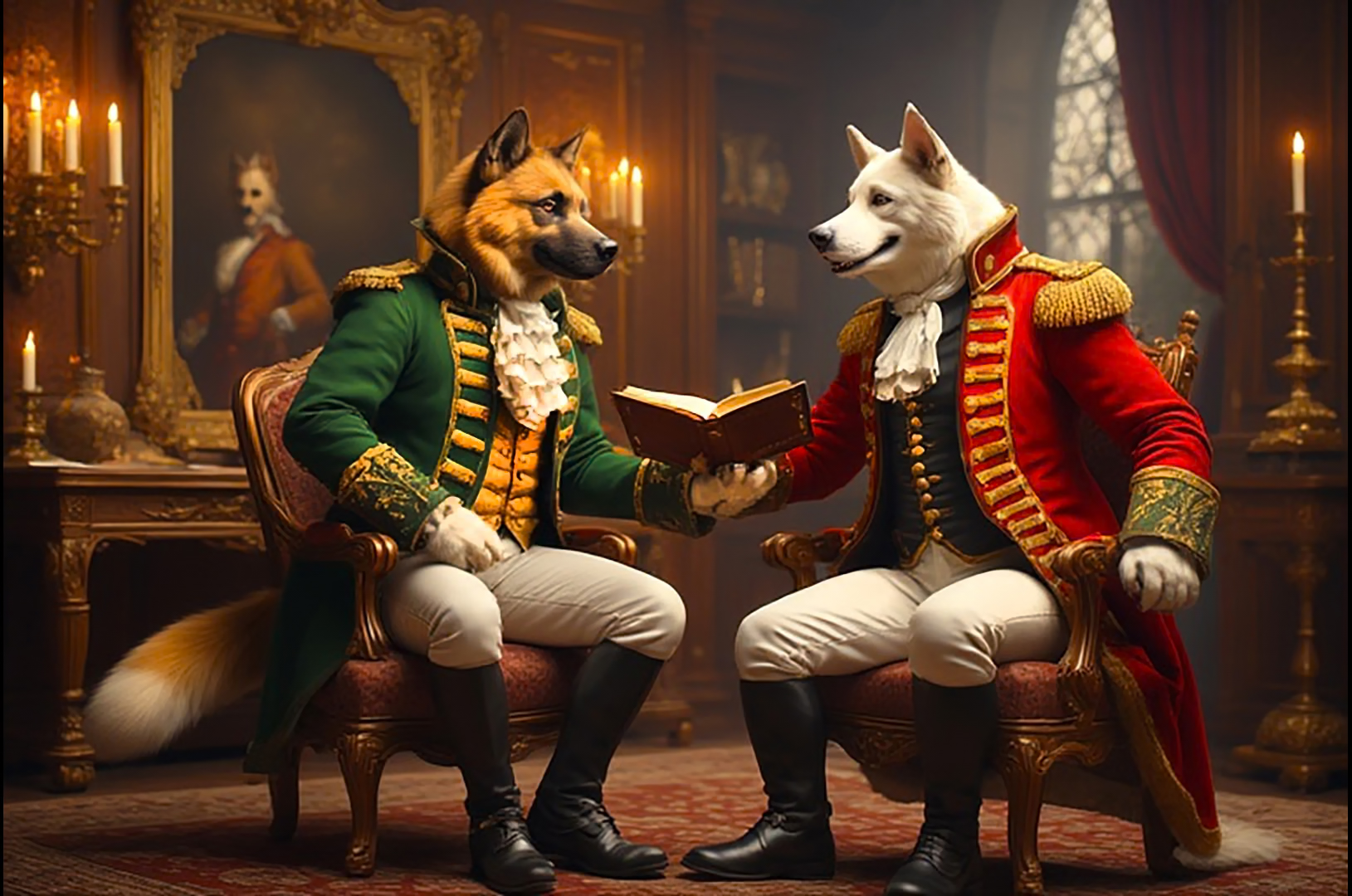
Thrix discusses Agroh's book with the Emperor
The Emperor saw the potential immediately – it was an autocrat’s handbook after all - and he charged Thrix with selling it to the bureaucracy. This was not difficult, as orderly processes are exactly what bureaucrats like, A council was set up, with local branches, to run Saamanya buddhi across the Imperium.
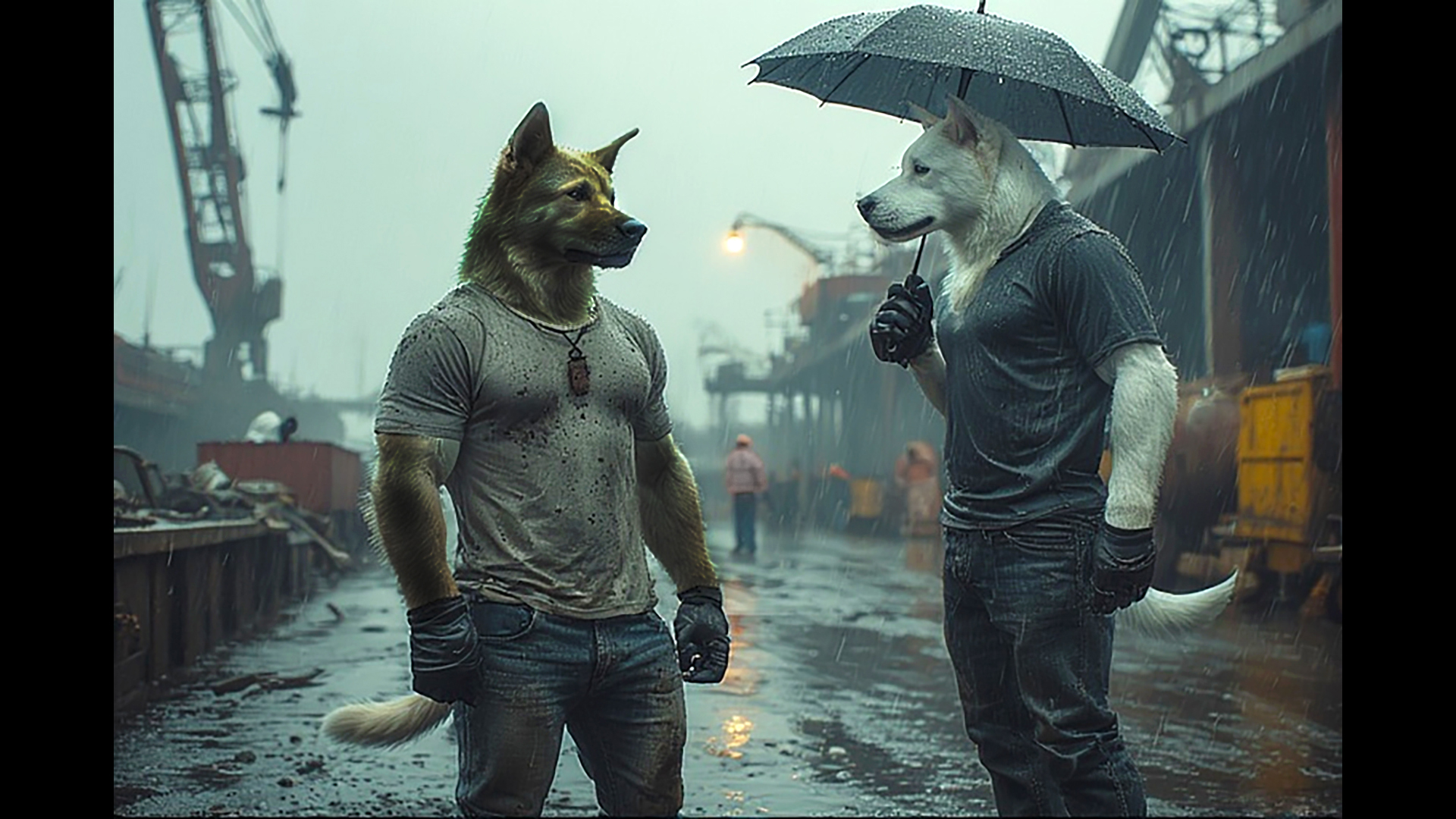
The Council in action: Anoh recruits Joet from his miserable life
We focus on one particular thread of its work, addressing the issue of the wasted boy children who are expelled at puberty from their birth homes. We follow Joet, who has lived a ghastly life since expulsion. He is rescued by a Council agent. This man extracts his life story, in order to publish a deliberately shocking book and so force political action. This succeeds, and boys come to be housed and schooled after expulsion, mentored before it and informally introduced to workplaces and the wider world, Abuses – such as the foreman system of sexual favours for access to work - are banned. In a decade a stable, educated workforce radically alters the industry of the Imperium.
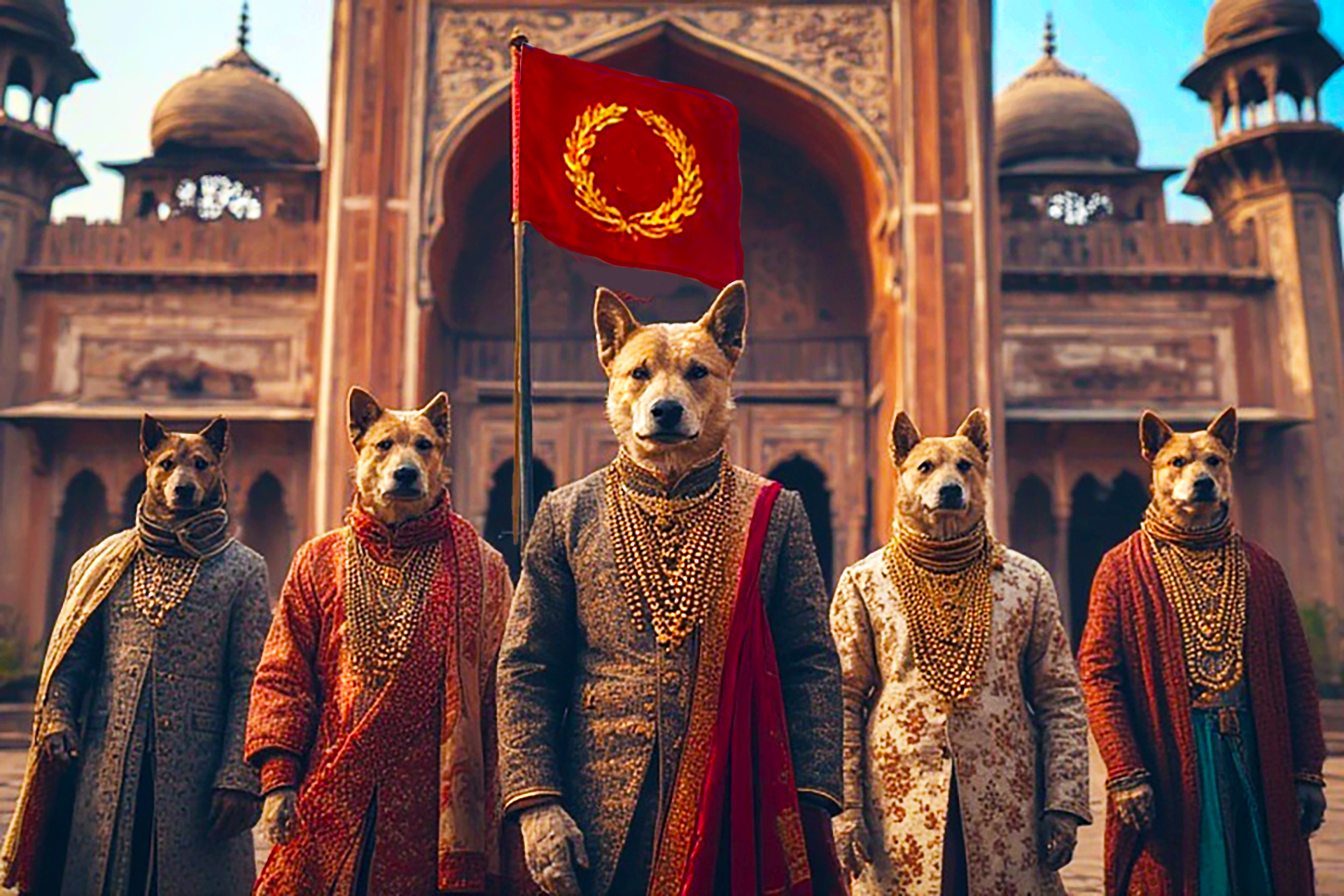
HIM Ambassador and staff to the Court of the Mughal Emperor
Contacts with the rest of the world are modified by this doctrine. Diplomats are expected to adopt the mores and clothing of the countries that they contact. Investors must undertake major works of betterment – hospitals, roads, railways, schools, drainage and water supply - but export taxes are banned as a source of corruption, Much of the world enters contracts of co-rulership.
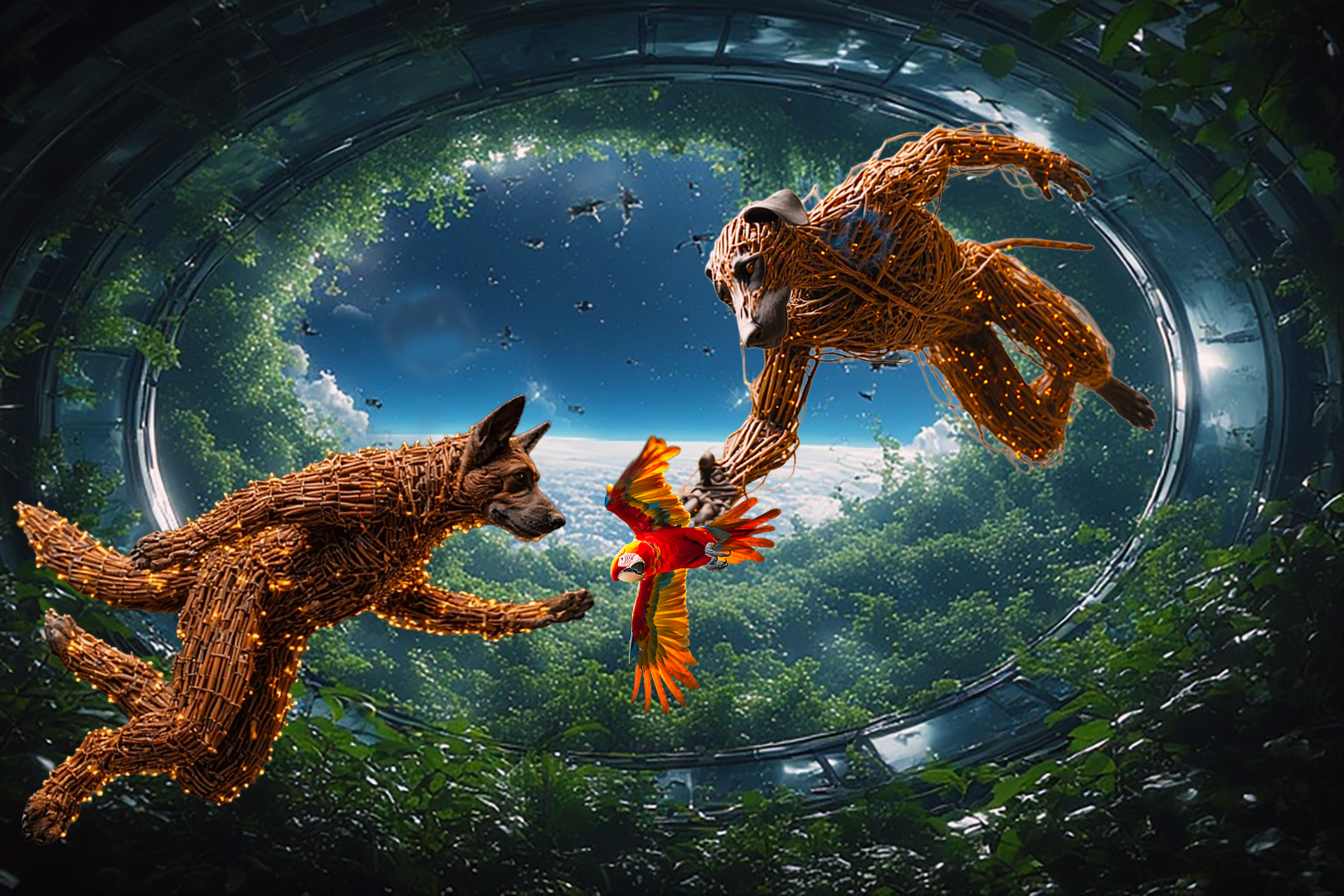
Two canines modifed for vacuum and high radiation in the habitat at the top of the Duke Thrix space elevator
Tempoview, the AI, then reveals its motivation in providing this story. It shows the Canine world as it is today, two hundred years after the events described, Strange organic cities, altered Canine physiology, life in virtuality are all mature, and Canine-kind is about to launch into a non-physical form of existence, “Do not despair”, is the message. Tranquil, balanced modernity of entirely possible if you garden your Saamanya buddhi.
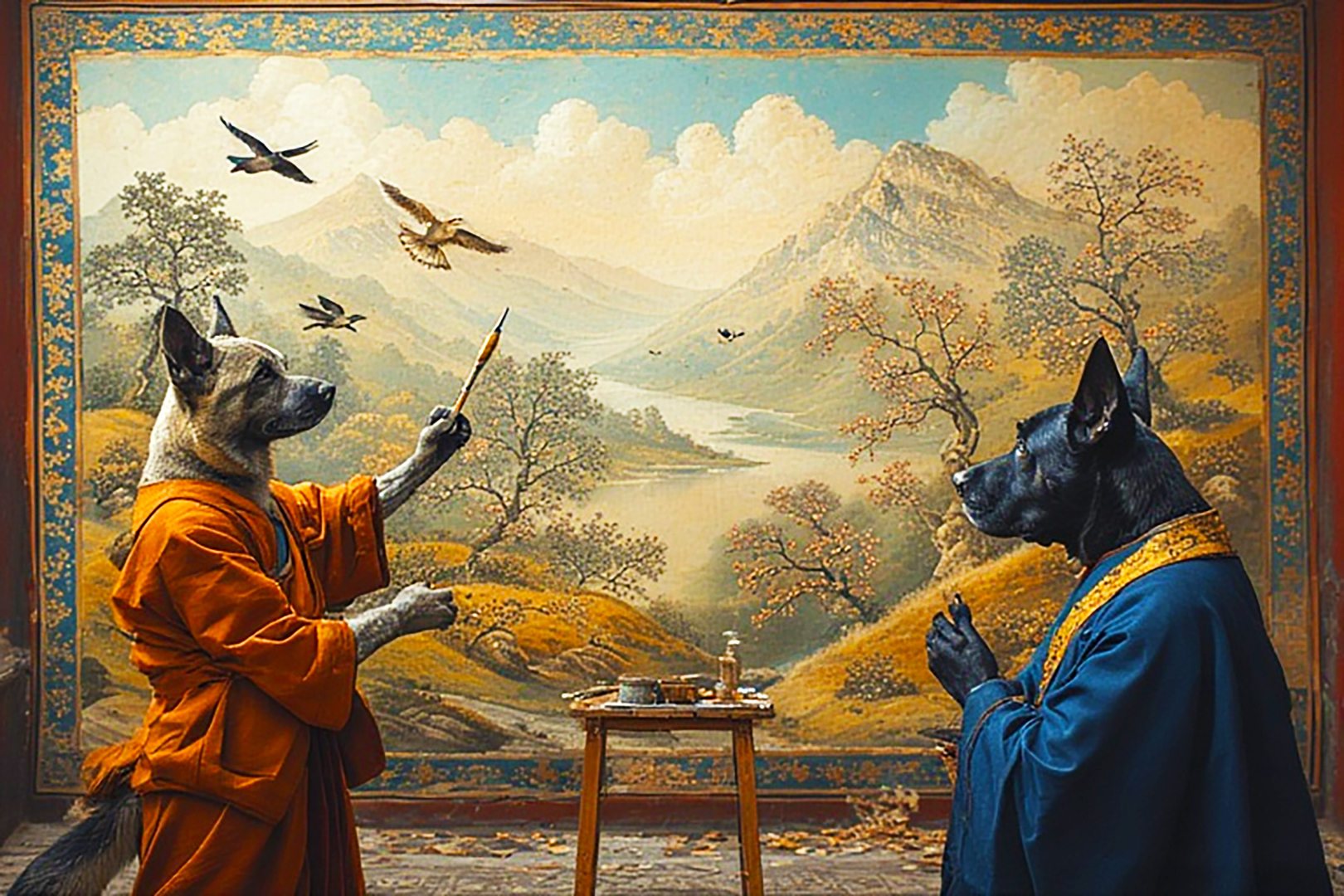
Ferrah paints a mural in the Lama's monastery in Tibet. It survives and is today a major tourist attraction, albeit drawing virtual tourists
Download
Install instructions
Normal download and then unzip the file. Note there are two PDF files on offer that give the Lama's six points and Agroh's executive summary of his book.
Development log
- New developments from The Earl of MaineJan 26, 2026


Comments
Log in with itch.io to leave a comment.
Please don't listen to the hate, just ignore them and do what you love cause they don't control anything. As long as you have support on your side
Thank you. They ar reacting like teenagers to newly planted trees in "their" neighbourhood, ripping up these shameless intruders that dare to bring quality to their sordid lives. Odium dum metuant, as Augustus said.: "Let them hate, so long as they fear" Hate modernity, that is.